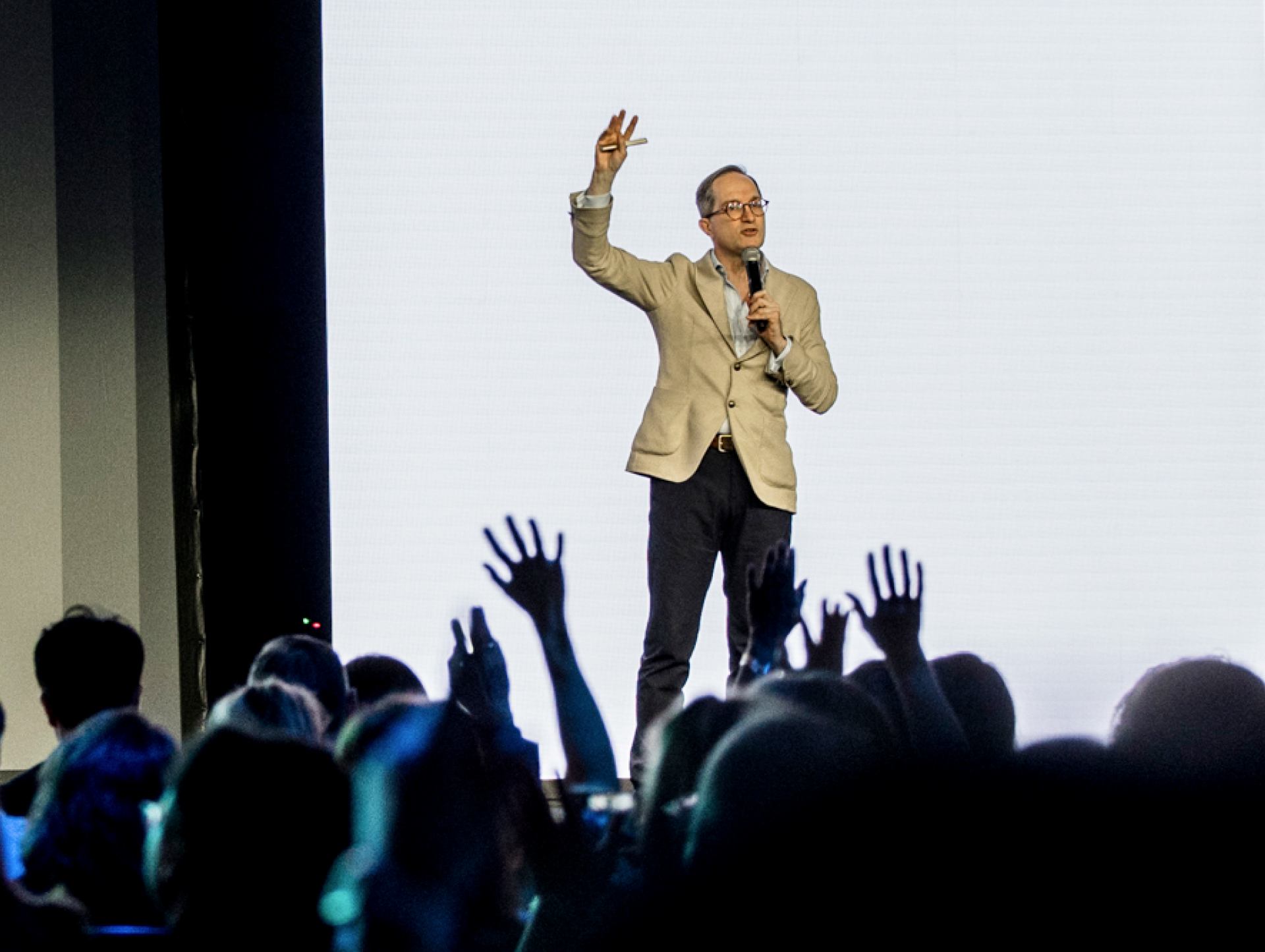



‘One inch ahead’: Howard Yu on why AI success is built daily
October 1, 2026
“Agents are the future of how we work with computers,” declared Jerry Ting, VP, Evisort, Workday, during the opening keynote at the HR tech giant's Elevate event in London.
Ting is going to be leading the agent strategy at the HR tech giant; his AI-powered contract intelligence startup Evisort was bought by Workday in Sept last year.
“Everything that's happened in the last 20 years brought us to this point…where machines can actually think like humans,” added Ting during a podcast recording at Elevate.
“Agents are the next generation of workers”; the benefit is that they “can take away the parts of the job that we don’t like”, so humans “can actually be more strategic and more thoughtful”.
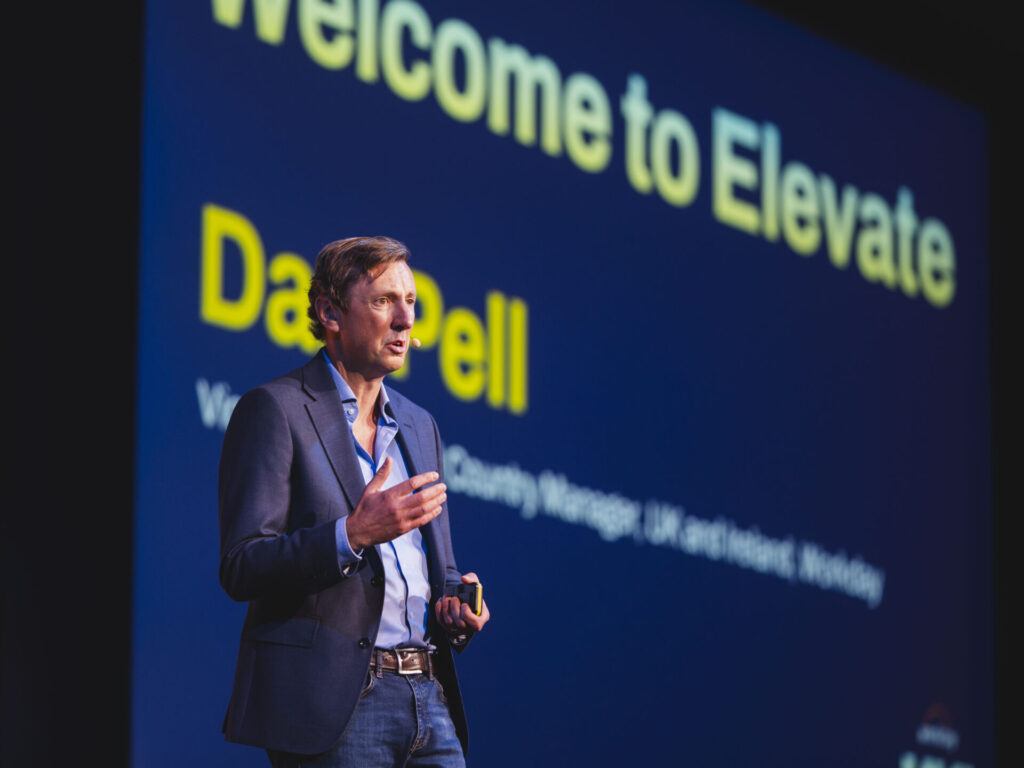
Workday is making a significant play around agentic AI through its Illuminate platform; as Dan Pell, GM UK&I at Workday, stated in the keynote: “We’re only just getting started.”
At Elevate, Workday announced some new Illuminate agents, including frontline agent, self-service agent and contract intelligence agent.
UNLEASH was at Workday Elevate – here are our top takeaways from the London event.
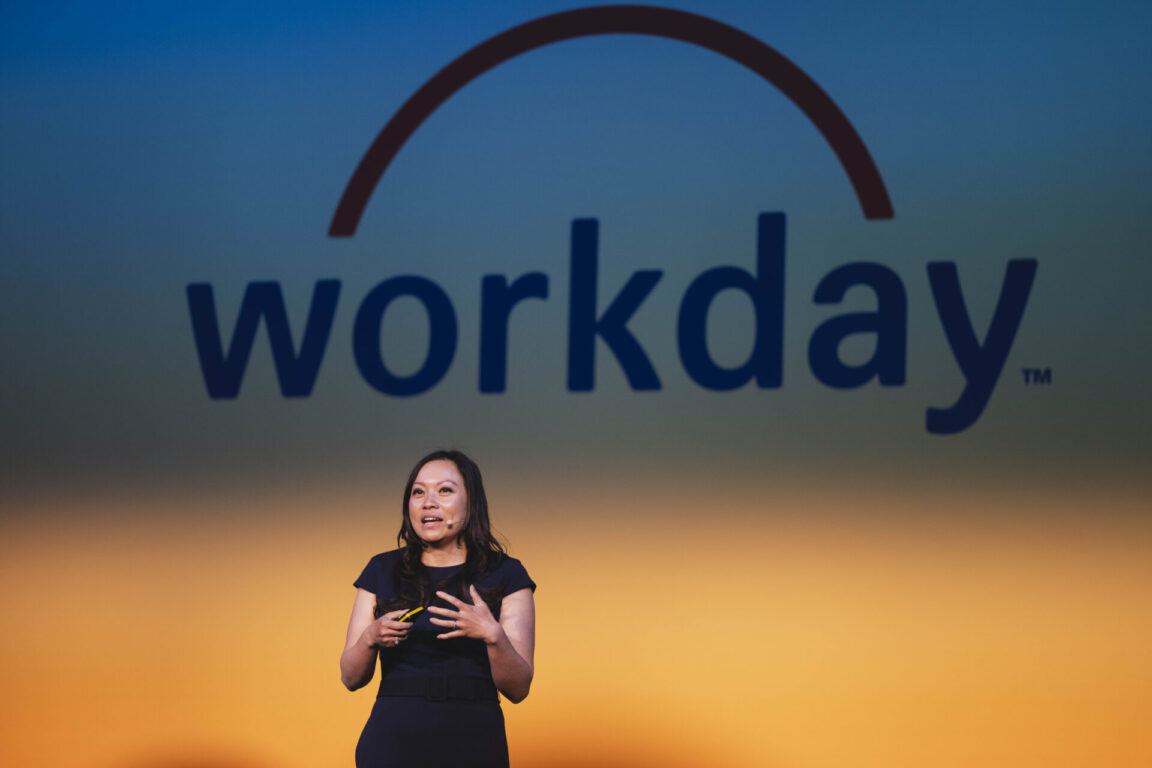
We’re living in times of uncertainty – when it comes to economics, politics and technology – and Workday sees itself as the “organization to shepherd you all and work with you all to bring us through this new era of how we how we work”, stated Kathy Pham, Workday’s VP of AI during the Elevate keynote.
Workday sees itself as a system of record for HR and Finance, and now it wants to be the agent system of record.
Speaking on a press panel at Elevate, Pham shared: “Agents are not the same as people, but an agent can take on roles and tasks and skills and components of work.”
This means they need governance, training, monitoring and managing.
In this context, organizations need to lean into uniquely human skills, like having a curious mindset and continuous learning, stated Angelique de Vries, President of EMEA, Workday, in an Elevate podcast recording.
“We don’t know what we don’t know, we will experience and learn a lot,” added de Vries.
Ting added: “Everyone needs to be a student.”
Paul O’Sullivan, UK CTO at Salesforce, agreed on another press panel that while there’s “immediate inertia that my job is going to be replaced by AI”, but AI will need supervision.
In this context, “creativity” will become the biggest human capability – it’ll allow companies to bring new products, services, to the market, which is something “only humans can do”.
“If we do that supercharged by AI, it is just going to unlock huge potential for businesses in the future,” added O’Sullivan.
A real challenge to date has been seeing value from AI technology – “businesses and enterprises have spent millions and millions of pounds experimenting with this technology, but not realizing value”; to achieve value, “you've got to link it back to the business processes that an organization has”.
For Ting, it is “dangerous saying we’re in an AI wave, let’s use AI to solve every problem” – instead companies need to be thoughtful about what problems they need to solve, and figuring out if AI is the right way to solve that problem.
When asked about a call to action for leaders, O’Sullivan from Salesforce shared the need to “think differently” – “the generation today is the last generation of leaders to manage just humans” – they will manage both humans and agents.
Want to dig more into the AI in action in HR? UNLEASH is hosting a webinar on Tuesday 3 June on that very topic with speakers from Workday, HPE and Sapient Insights. You can sign up here!