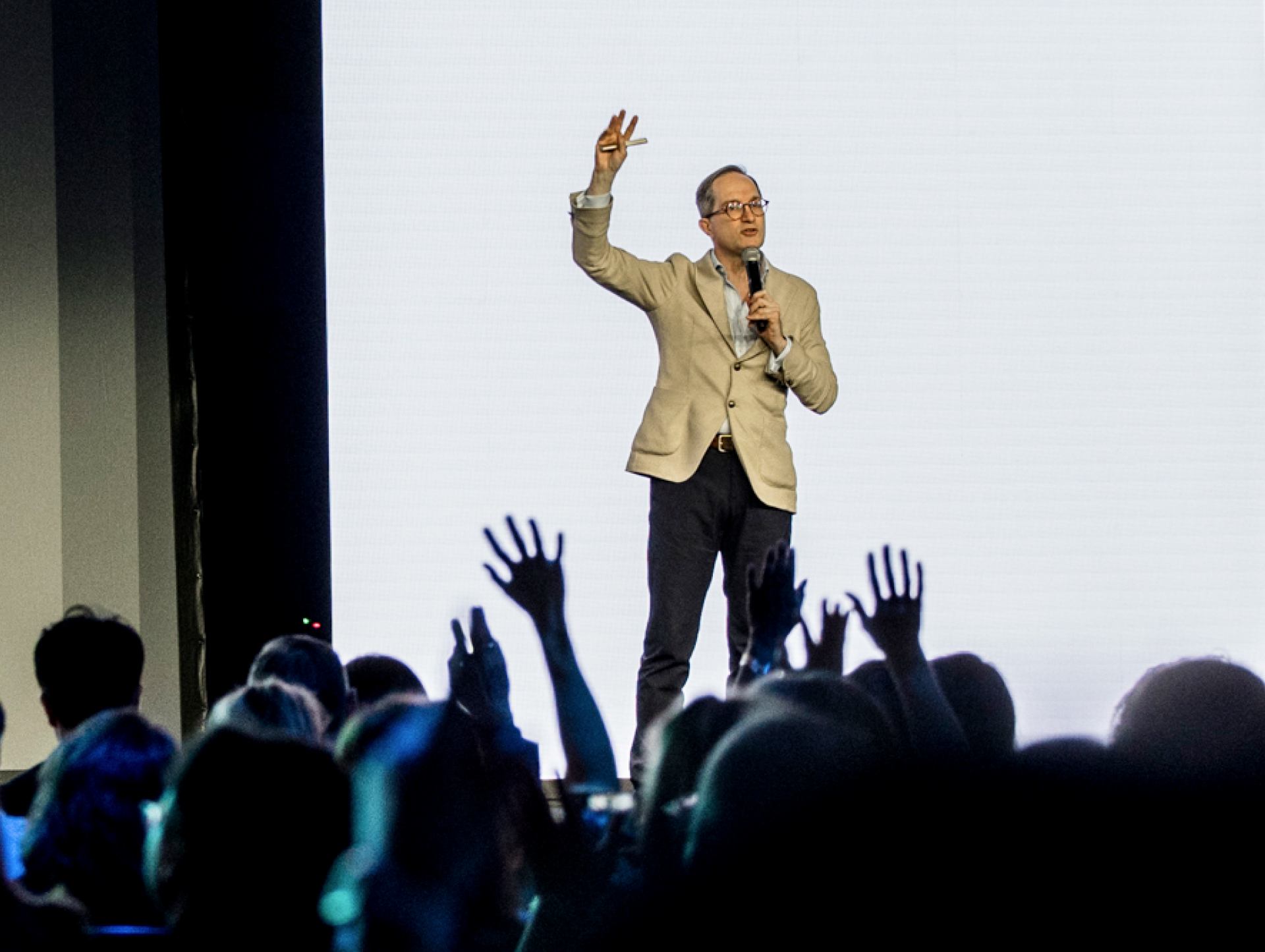


‘One inch ahead’: Howard Yu on why AI success is built daily
October 1, 2026

In the world of AI, bias and ethics are two distinct yet intertwined concerns that HR leaders must prioritize.
For HR leaders, addressing these issues isn't just a technical necessity—it's a strategic imperative.
As companies increasingly integrate AI into their operations, the concern over human biases infiltrating AI systems becomes more pressing.
AI models trained on discriminatory data can scale and amplify these biases, leading to significant negative impacts.
These consequences can range from perpetuating societal inequalities to legal and reputational risks for organizations.
All of this means that addressing bias in AI is not just about fairness; it's about achieving better outcomes, fostering trust, and ensuring an equitable workplace.
This places HR leaders right at the forefront of the fight to mitigate bias in AI for businesses.
Let's dial the conversation back and look at AI bias from the beginning.
AI bias, also known as machine learning or algorithmic bias, refers to AI systems that produce prejudiced results, which reflect and perpetuate societal biases. This includes both historical and current social inequalities.
Remember when Amazon discontinued its use of a hiring algorithm when it discovered that the system favored candidates who used terms like "executed" or "captured"—words that appeared more frequently on men's resumes.
These biases can originate from the initial training data, the algorithms, or their predictions.
That’s just a brief overview; HR leaders need to understand this concept deeply if they are going to identify and address bias in AI systems effectively.
To truly understand the impact of AI bias and its ethical implications, its essential to draw from extensive experience in the field.
With over two decades of expertise in AI, big data, talent management, and leadership, I have had the privilege of advising Fortune 500 companies and government agencies on AI practices, strategic planning, decision-making, and data management both in Europe and in the US.
My work has been recognized with numerous awards from federal agencies. I have been also recognized as an expert in this field and have developed patented software and SaaS tools for unbiased performance reviews.
This comprehensive experience has given me a unique perspective on the challenges and opportunities that AI presents, particularly for global HR leaders.
1. Training data bias:
2. Algorithmic bias:
3. Cognitive bias:
Drawing from my extensive experience working with HR leaders and businesses globally, let's delve into some real-world examples of AI bias in HR and the solutions we can implement:
1. Recruitment, promotion and equal pay:
2. Online advertising:
3. Image generation:
To mitigate AI biases, HR leaders must implement robust AI governance.
This means introducing policies and practices that ensure responsible AI development and use.
Some key advice from me includes:
1. Compliance:
Ensuring AI solutions adhere to industry regulations and legal standards is crucial.
HR leaders must stay informed about relevant laws and guidelines.
For instance, the US National Institute of Standards and Technology (NIST) is developing guidelines, best practices, and testing standards for the safe and ethical deployment of AI.
Similarly, the European Union's adoption of the Artificial Intelligence Act (AI Act) on March 13, 2024, is a landmark moment for regulating AI.
2. Trust:
Building brand trust by protecting employee information and creating reliable AI systems fosters greater acceptance.
HR leaders should prioritize transparency and ethical practices.
3. Transparency:
Promoting transparency in AI algorithms provides insights into the data and processes used, ensuring fairness in outcomes.
HR leaders should demand clear documentation and regular audits of AI systems.
4. Efficiency:
Designing AI to enhance business goals, improve efficiency, and reduce costs is essential for operational success.
HR leaders should balance efficiency with fairness in AI applications.
5. Fairness:
Employing methods to assess and ensure fairness, such as counterfactual fairness, delivers equitable results regardless of sensitive attributes.
HR leaders must champion fairness and inclusion in all AI initiatives.
6. Human touch:
Integrating human oversight in AI decision-making processes maintains quality and fairness. HR leaders should ensure human review is a part of AI workflows.
7. Reinforced learning:
Using unsupervised learning techniques that transcend human biases can uncover innovative solutions.
HR leaders should encourage continuous learning and adaptation in AI systems.
This ongoing effort is crucial to staying ahead of evolving biases and ensuring AI's long-term effectiveness and fairness in HR processes.
As AI adoption grows, continuous efforts to identify and address biases will be crucial.
They need to embrace AI governance, leverage trusted AI tools, secure data, and maintain transparency to ensure AI systems benefit everyone.
By doing so, HR professionals can build AI systems that are not only efficient and innovative, but also fair and trustworthy, thereby fostering an inclusive and equitable workplace for all and driving business outcomes.