


‘One inch ahead’: Howard Yu on why AI success is built daily
October 1, 2026
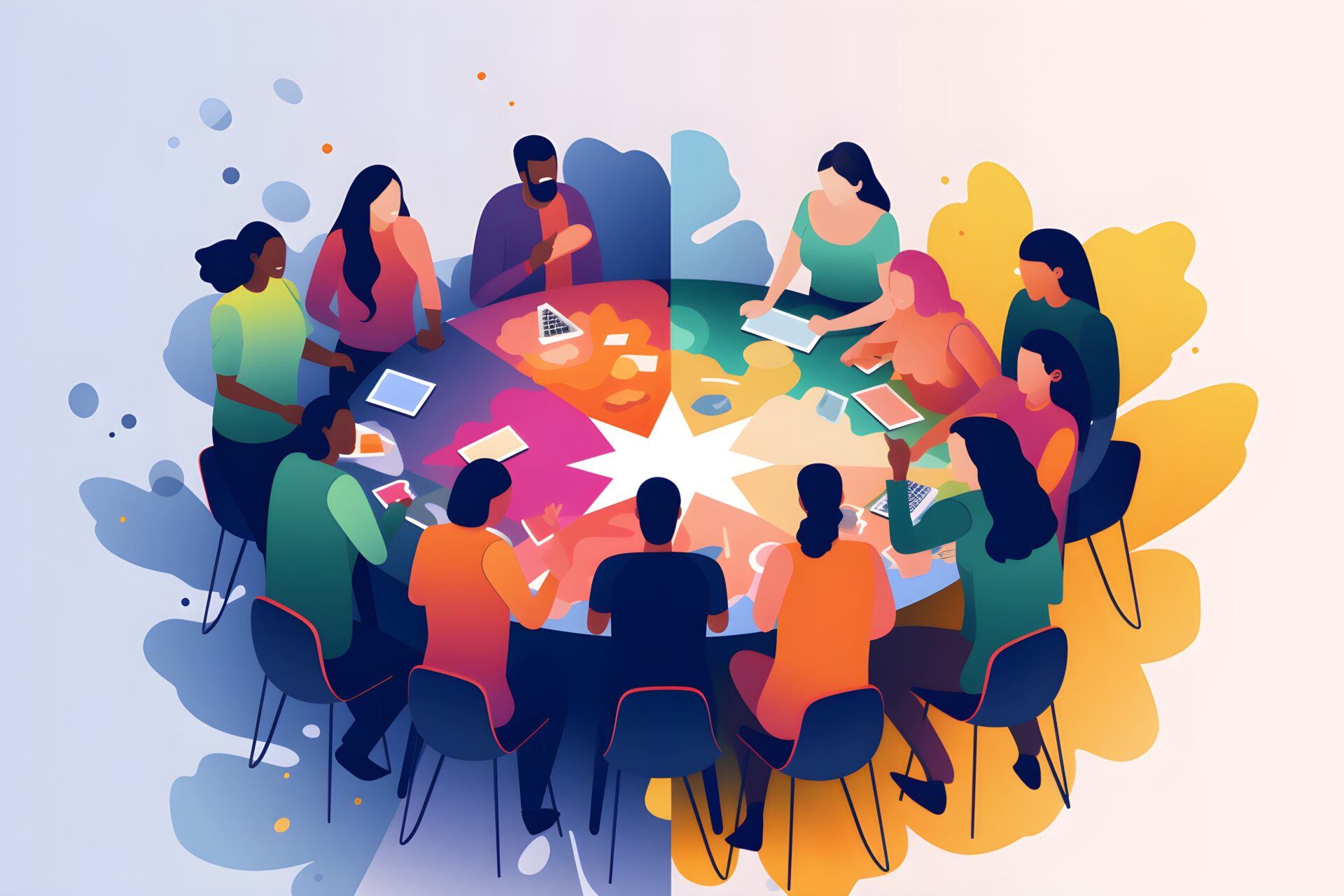
HR teams are on the search for new and exciting ways to welcome diversity, equity, inclusion, and belonging (DEIB) principles into their organization, after findings from Culture Amp suggest that the progress on DEIB programs is stalling.
Culture Amp's survey of 390 businesses found that optimism for DEIB programs has seen a decrease from 2022 (67%) to 2023 (62%), when asked if they believe their views are included in decision making.
Additionally, confidence in building diverse and equitable teams has declined from 85% in 2021 to 77% in 2023. HR leaders who believe that DEIB programs go beyond compliance-related matters have fallen from 71% in 2022 to 2023 in 60%, according to Culture Amp.
The survey also found clear disparities in the way in which DEIB is present among different genders, races, abilities, or LGBTQIA+ individuals, with findings showing they have a worse experience at work compared to majority identity peers.
“We should do DEIB work for the sake of justice, everyone should be motivated by that.
"But, knowing that companies with employees who are convinced the company values diversity are 6.8% higher in stock price may also be the motivation leaders need to allocate funding toward creating the justice we all want to see in our workplaces and the world.
“Numbers carry value and weight. We can use them to make a case for DEIB more broadly.”
But what are the barriers that DEIB programs are facing? UNLEASH explores.
Culture Amp identified three key obstacles prohibiting organizations from running successful DEIB programs.
The first stated that many companies' adoption of diversity and equity expertise has become stagnant, with new, dedicated DEIB roles remaining static over the past three years. Plus, the use of external consultants fell from 66% in 2021 to 47% in 2023.
The second major barrier is the fact that support for diversity programs from company leaders is declining from 74% in 2021 to 58% in 2023.
The third and final barrier is the lack of maturity of DEIB data measurement.
Only 46% of companies, for example, shared diversity and inclusion data at executive meetings in 2023, which marks a decline from 2021’s 56%.
“For me, that is why every bit of research is meaningful. And ours especially because the sample size is massive – representing 175,000 employees worldwide.
"When companies don’t have their own data because they’ve backed away from DEIB for one reason or another, now they can use ours as fuel and fodder."
However, Culture Amp's research did find room for optimism.
It suggested that businesses see a much greater impact when integrating DEIB principles into their processes, rather than focusing on one-off diversity events.
Sharing DEIB data in executive meetings was also found to have an 8% increase in how employees believe their company views diversity.
Finally, Culture Ampl's Kukoyi concludes: “We are seeing highly-motivated HR teams making smart changes to their processes, such as adding inclusion questions to existing engagement surveys to capture wider demographics, showing candidates interview questions in advance, and measuring the experiences of non-binary or neuro-divergent employees for the first time.”
This, in Kukoyi’s opinion, demonstrates an opportunity for HR teams to build momentum for DEIB – do you think HR leaders are ready to seize the moment?