

‘The mother of all opportunities’: Vineet Nayar on the CHRO’s path to becoming CEO
September 30, 2026
Bias in technology is a huge concern for organizations. As many industries strive to be more inclusive, bias that stems from how technology is developed can damage the goals of an organization.
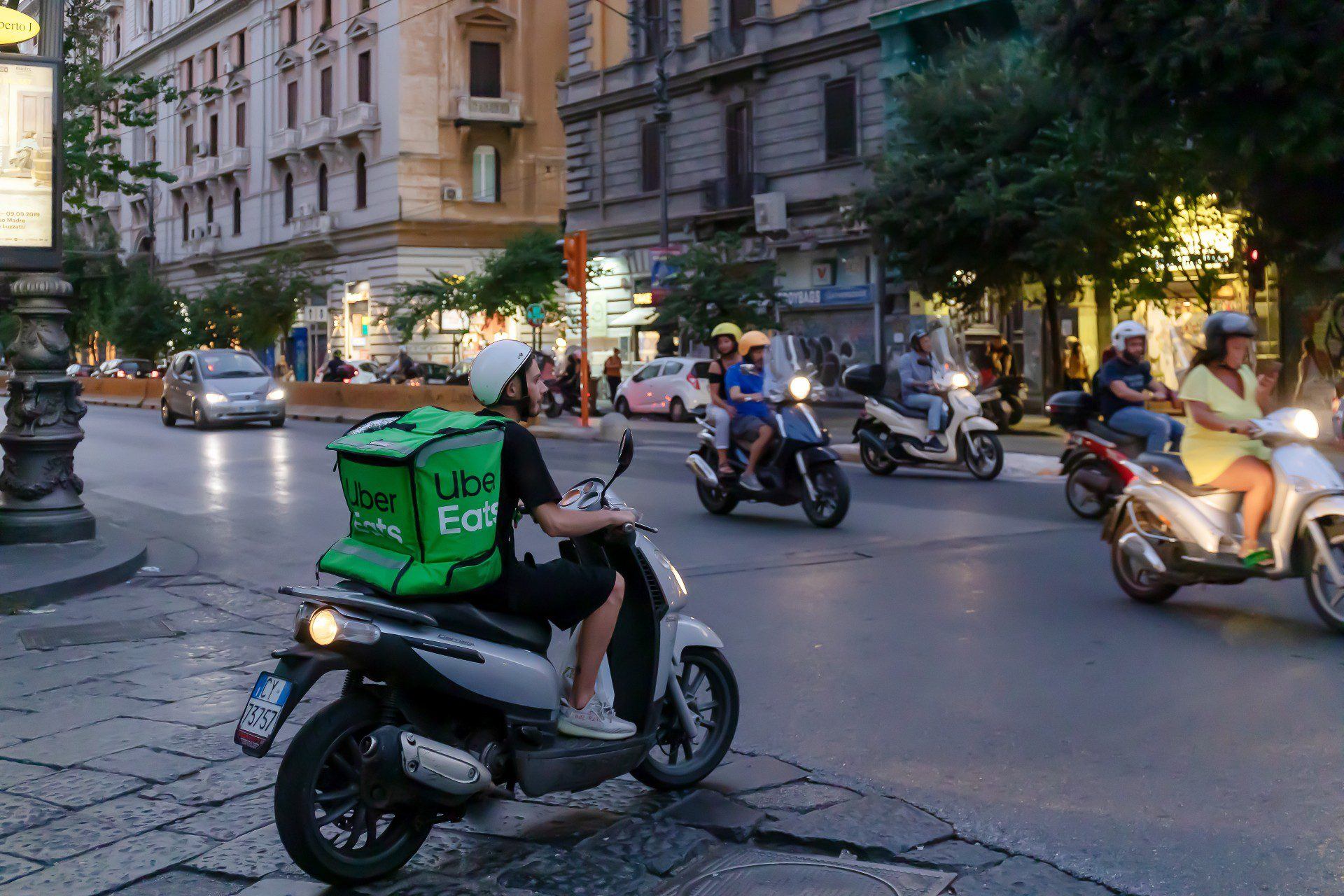
The latest company to come under scrutiny is Uber Eats.
The delivery giant has been accused of having workplace technology with a racial bias. As a result, former Uber Eats courier, Pa Manjang, is suing the company for firing him because of allegedly racist recognition checks.
Manjang claims that the Uber Eats' Real-time ID Check made him take multiple photos of himself a day to confirm his identity. The software reportedly recognized him as someone else.
Last April, the delivery company sent an email to Manjang to tell him that he was permanently suspended from the service, and accused him of sharing his work account.
As a result of the ordeal, Manjang told Uber Eats: "Your algorithm by the looks of things is racist.” The former employee also claimed that the company was "aggressive" and treated its frontline workers as just numbers, rather than as people.
An employment tribunal has rejected Uber’s attempt to dismiss the discrimination claim, and London-based Manjang is now launching a complex legal battle.
Paul Jennings, Manjang's solicitor, has described Uber Eats treatment of his clients as “Kafkaesque”.
“It’s off the back of that success in the Supreme Court that this next phase is now being pursued to try and extend those protections to couriers.”
Worker's rights being extended to Uber drivers was a difficult battle, but couriers may see benefits from having greater protections.
On the back of Uber drivers being recognized as workers in the UK, Fieldfisher partner and employment lawyer Nick Thorpe said the Supreme Court “rejected Uber’s argument that it was simply a technology platform acting as a ‘booking agent’ for drivers by putting them in touch with passengers".
It is unclear whether this logic will be applied to this case.
In response to the court case, an Uber spokesperson told Scottish Legal News: “Automated facial verification was not the reason for Manjang’s temporary loss of access to his courier account.
"Our Real-time ID Check … includes robust human review to make sure that we’re not making decisions about someone’s livelihood in a vacuum, without oversight.”
Time will tell whether the courts agree with Uber's defense or if couriers will join their ride-hailing counterparts and gain worker's rights.
Want to hear more from UNLEASH? Sign up now for free access to all our online content, exclusive reports, as well as discounts for our events.