

Lowe's People Tech team doesn't report to HR. Here's why.
September 14, 2026
In an era defined by employee disengagement, return-to-office tension, and widespread talent fatigue, HR leaders are searching for something deeper than data dashboards and check-the-box tools.
They’re looking for ways to connect in a world of work marked by concerning levels of disengagement in workforces, globally.
In reporting from UNLEASH, research points to the issue as being one of the core challenges for the HR function.
The observation is that employee engagement needs to be rethought from both a HR tech, and a culture perspective.
We’ve heard from business leaders who are looking for partners and best practice to help their people spark conversations, rebuild trust where needed, and help teams engage in collaboration that makes them feel tied to the purpose of their companies.
Enter Mentimeter.
The Sweden-HQ vendor has long been known for its easy-to-use audience engagement platform, loved by educators, consultants, and facilitators across industries.
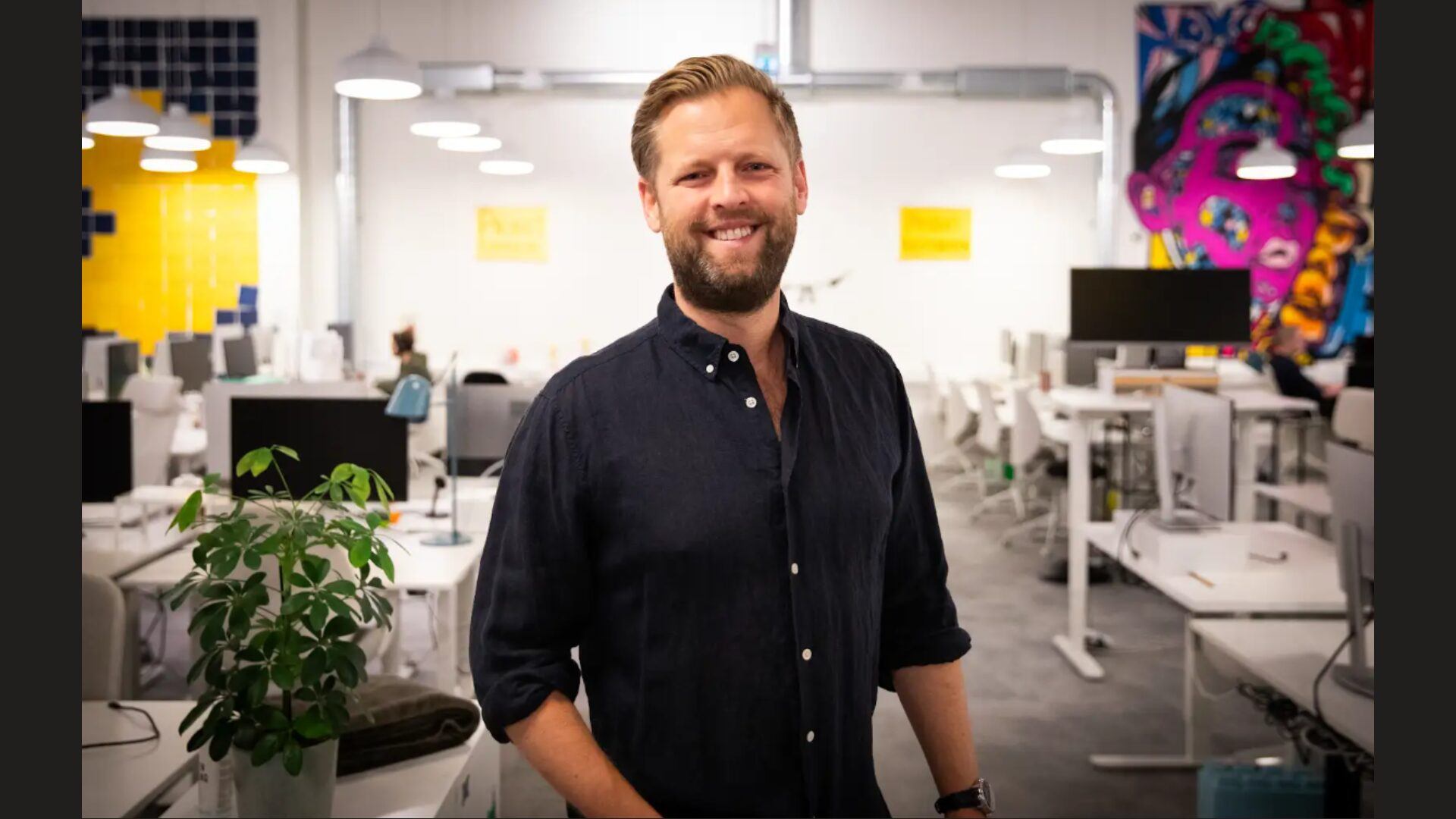
But as CEO and co-founder Johnny Warström told me at UNLEASH America 2025, a quiet transformation has been underway: Mentimeter is now building for HR, not just alongside it.
“HR used to be one of many user groups — now it’s one of our most strategic,” Warström explains.
“Over the past 12 to 18 months, we’ve seen a surge in adoption from HR teams. And it’s not just usage. They’re pushing us to go further. To build with their challenges in mind.”
The shift couldn’t be better timed.
Organizations are grappling with cultural fragmentation, low morale, and burnout. Traditional top-down communications aren’t cutting it.
In a recent video interview with AI expert and futurist Gary Bolles, he shared that enabling staff to achieve wider business goals must now be communicated by leaders asking “the best questions” rather than from “a command and control” hierarchy.
And that employee experience — once treated as a ‘nice to have’ — has become absolutely mission-critical.
Mentimeter’s leadership saw this change coming.
“HR is being asked to do more with less. To lead transformation, navigate hybrid work, and keep people connected — emotionally and cognitively,” says Warström.
“But many of the tools they’ve historically relied on were never designed for that. They weren’t built to engage.”
Mentimeter’s mission is to close that gap — giving HR leaders the power to run interactive town halls, feedback-rich workshops, onboarding sessions, and change conversations that people genuinely want to participate in. Not passively attend.
From a product perspective, that means prioritizing features that enable psychological safety, inclusive input, and real-time feedback. But at a deeper level, it’s about restoring something fundamental that’s been lost in the workplace: belonging.
As Warström puts it, “If HR’s goal is to make people feel heard, seen, and valued, they need tools that reflect that intention — not just another form or survey.”
This point resonated strongly with Mentimeter’s Director of Enterprise Marketing, Jonas Barck, who joined the conversation. “The best HR leaders today think like facilitators. They want to create dialogue, not monologue. That’s what Mentimeter unlocks.”
Indeed, Barck and Warström both believe that facilitation — long associated with L&D or external trainers — is becoming a core leadership competency for HR.
“It’s no longer enough to broadcast a strategy update or publish a values deck,” Barck says. “You have to engage people in it. That’s what drives trust and retention.”
When I asked Warström what advice he’d give CHROs right now, his answer was clear: “Don’t overlook the moment itself. So much investment goes into HR systems — payroll, analytics, workflow. But how much are you investing in how you show up in the room? In that All-Hands? That DEI session? That restructuring conversation?”
He adds: “That’s where trust is won or lost. And that’s where Mentimeter is focused — helping HR leaders create clarity and connection in the moment.”
It’s a compelling proposition at a time when 77% of employees say they feel disengaged, and retention rates are sliding across industries.
In that context, HR needs more than another platform. It needs a way to reach people — quickly, authentically, and at scale.
Ultimately, Warström isn’t just building a product — he tells UNLEASH his priority is to help influence and shape a new kind of employee engagement.
One that treats listening as active, not passive. One that prioritizes psychological safety and participation. And one that understands that in this new era of work, how you say something is just as important as what you say.
Many leaders are taught this: It’s not just what your vision is, it’s how you communicate it to those who need to execute it.
“The best ideas don’t always come from the loudest voices. That’s a design principle in everything we do.”
He continues:
And for HR leaders seeking to reignite engagement in a post-pandemic, AI-disrupted, hybrid-everything world, that kind of partnership — practical, trusted, human — might just be what’s needed most.
“HR has a unique mandate right now,” he says.
“If you want to win trust, navigate ambiguity, and lead change, you need tools that make engagement not just possible, but effective.”