The Talent Operations Transformation
October 6, 2026
Workplace culture is a hot topic because remote working has removed the workplace for many organizations.
The culture aspect will always exist, and so businesses have begun hypothesizing how to create a positive working environment that can be applied to the digital and physical world.
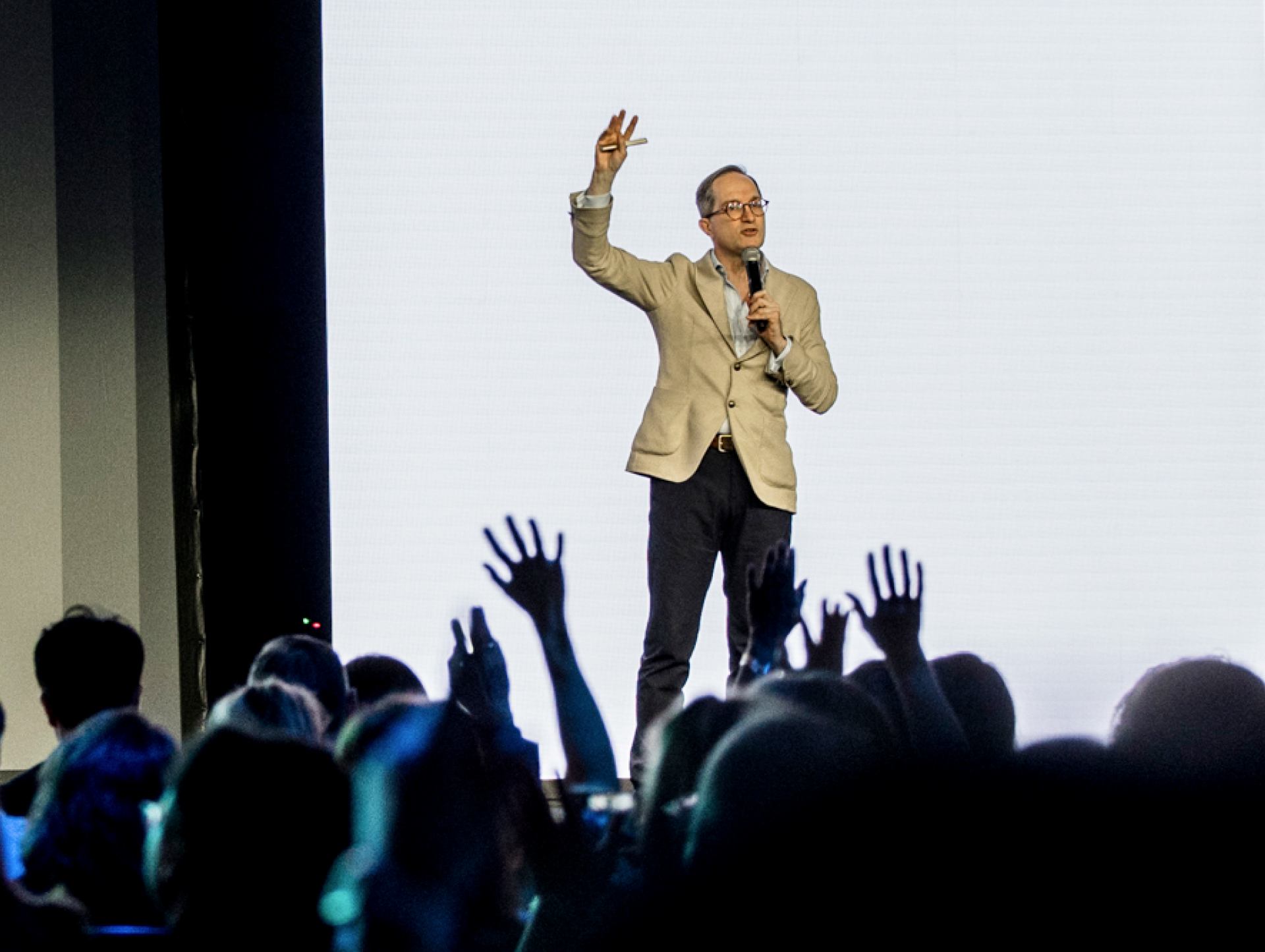
HR technology has once again come to save enterprises and UNLEASH caught up with Chris Allsopp, CEO and co-founder of Grove about how to connect teams through thoughtfully designed pages and dashboards that promote discovery.
Before diving into the issues that are plaguing workplace cultures and communities, Allsopp tells us how the software was developed prior to the pandemic and its goals.

Allsopp notes that the idea for Grove came together when the founders were working at a company designed to find engaging experiences for teams.
However, “finding cool experiences was 0.1% of challenges that these teams and these workplaces experienced. Really, what their goals were was to get their teams creating connections trying to foster community and belonging within their organizations.”
With this in mind, Grove was created to facilitate these experiences by giving teams setting up events a piece of software that could allow them to coordinate and collaborate with employees.
Allsopp explains that companies “have the tools they use, like Slack, Calendar, Google Docs, and Google Drive, which are all great tools but are not optimized for a high level of employee accessibility coordination. And the outcome of that was that all these programs were manually managed across various tools, teams, time zones, managing spreadsheets, capturing RSVPs, and you're left in the dark.
“There was no way to automatically collect feedback, there was no way to establish when you can collect photos kind of connected to the event itself.”
On the back of hybrid work, the loss of the proverbial “water cooler moments” have become apparent and damaged culture-defining discussions.
In response to this new norm, Grove offers a place for employee resource groups (ERG), D,E&I initiatives, AMA's, and all hands.
Establishing his place in the modern workplace leads Allsopp to the bigger picture and flaws in creating a positive workplace in 2022.
Allsopp points to issues with employees' connection feeling forced, or like an extra task. On top of that, “when you do an event, you don't really know which percentage of the people are going to be in the office. And as we architect the office, for the hybrid future, that's going to be not just the physical architecture, but also software architecture and strategies are needed to keep that organized.”
He suggests that the best way to do effective events at scale is to: “give more time back to the administrator so that they can focus on it and spend less time doing busy work.”
In terms of improving culture, Allsopp explains that companies need to put in “the intention and deliberation."
There is also a need for this workplace community: “Before the pandemic, there was a study [by Deloitte] that showed that 34% of people looked to the workplace as their primary source of belonging, and after the pandemic, they really lost that primary source.”
This not only negatively impacts engagement ad retention but mental wellbeing. Through a broader lens, Allsopp addresses a lack of community in our society.
Modernization has led to more travel and reflecting on his own move from New York to California, Allsopp comments: “We're all leaving our established communities behind, this is not how it happened 100 years ago.”
While stressing that movement isn't a bad thing, he acknowledges that it can leave gaps in “authentic, meaningful connections”.
Workplace community is evidently more important than ever.
Allsopp shares his reflections on positive efforts to implement a sense of belonging and comments that companies need to be “looking at your budgets, looking at your tools and your systems, and really saying, how many people are we reaching? How are they engaging with these programs? You know, understanding what your silos look like."
He adds: “It comes down to this thing, where when it's physical, you can breathe a little easier. And knowing that some things are happening organically, you can rely on the more extroverted or gregarious nature of employees to kind of do a little bit of the work for you.
"And when you're remote, you just need to be intentional, you need to have technology strategies to keep the people connected.”
Looking at the community Allsopp highlights that “there is a very important function that the office still provides, and it's why most companies are, instead of ditching the office, just reevaluating their real estate strategies and adapting to a hybrid model.”
Allsopp notes that some work is best done in solitude but when it comes to collaborating and networking, a physical presence really helps.
Making time for soft skills is essential in the modern world, and Grove is hoping that workplace gatherings can re-instill a sense of community for those who have been at a loss over the last two years.