



‘One inch ahead’: Howard Yu on why AI success is built daily
October 1, 2026

Workers are feeling relatively confident with their everyday digital skill levels, according to Salesforce’s global digital skills index.
52% of 23,000 workers in 19 countries surveyed said they had advanced web navigation skills; 46% also said their social media skills were advanced, 28% felt confident with their productivity program skills, and a third said they were advanced at digital communication.
However, Salesforce found that everyday digital skills don’t translate to the core workplace digital skills that enable workers and employers to be resilient and adaptable in the future.
Therefore, it is no surprise that Salesforce’s index ranked global workers 33 out of 100 in digital skills readiness.
40% said they were very prepared for digital skills now, but this dropped to 34% when asked about the next five years. 73% said they did not feel equipped to learn digital skills now, this rose to 76% for 2027.
Despite a lack of digital skills, only 28% of workers are actively learning and training in digital skills. This is concerning as it comes amid a growing demand for digital skills in the workplace.
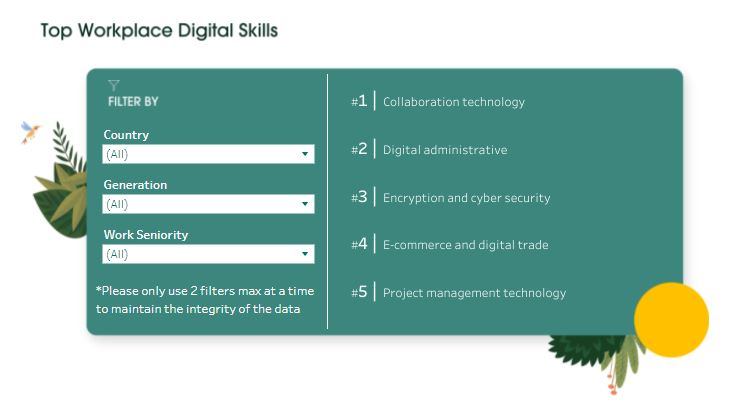
There is a particular gap around the top workplace digital skills – collaboration technology and encryption and cybersecurity.
Only 25% of respondents ranked themselves as advanced in collaboration technology, and only 14% reported they had advanced knowledge of cybersecurity and data encryption.
Part of the problem is that senior leadership underestimates the size of the skills gap.
Salesforce’s study found that 54% thought employees were prepared with digital skills, whereas less than half of managers and employees agree.
So, what should companies do now to address the growing skills gap?
Salesforce recommends that businesses, governments, and communities should work together. “Harnessing existing learning communities, investing in younger generations, and promoting training programs focused on top digital skills” are examples of what they should work on.
What is promising is that 51% of employees want to learn new skills for their future careers.
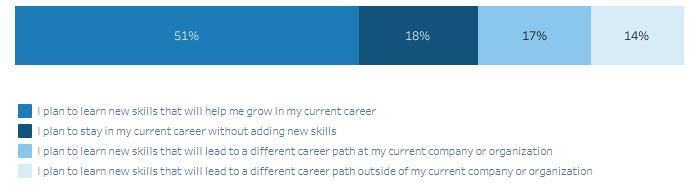
Businesses can harness “the potential and motivation of current employees to innovate, they can accelerate progress towards closing the skills gap.”
Learning tech can help here – but maybe it is time for companies to invest in some new innovative platforms to supercharge their digital focus.