


Ask the Analyst: Are unwritten hiring rules selecting for capability or privilege-based social conditioning?
October 12, 2026

Organizations have been through enormous upheaval over the past few years.
HR teams, and specifically CHROs, have played a crucial, strategic role in this organizational transformation, all while dealing with the evolution of the HR function itself.
According to Mercer’s survey of 100 CHROs in the US, HR teams are readying themselves for further disruption, and a new tech and data-powered future of work.
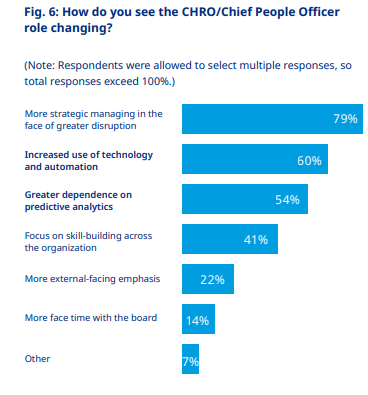
HR leaders see their roles changing to be more strategic (79%), plus they anticipate an increase in tech and automation their jobs (60%) and more dependence on predictive analytics (54%).
For CHROs, their teams haven’t always been the organization’s first port of call when thinking about tech investments.
But now it is time for the HR function to really become “a hub of technology-driven efficiency and innovation — while also being a thought partner in enterprise-wide digitalization initiatives”.
As part of their new, future-focused strategic role, top of the agenda for HR teams is predicting the talent and skills the business will need for the future – butwhat about the HR team’s own skills?
42% of respondents told Mercer that they needed to accelerate the development of the HR teams skills, and these need to be outside of the usual HR topics.
Tech, automation and data skills are top of mind, but there is also a need for CHROs to create better succession plans for their teams – this means upskilling them now in areas like leadership and finance.
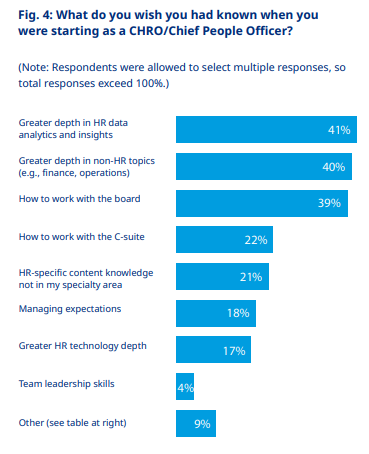
While 86% of CHROs said they felt very prepared for their role as head of HR, four in ten wish they had more knowledge about non-HR topics prior to taking the job, and 39% wish they known more about how to work with a board.
It’s time for the CHROs of today to pay it forward, and make sure their successors are better prepared for their challenges of being a senior HR leader than they were.
By doing this, HR leaders are cementing HR’s strategic, futurist position in organizations for the long-term, to the benefit of employees and the business alike.